Window Crack Repair: A Comprehensive Guide
Windows are more than simply openings in a structure; they are important for natural light, ventilation, and energy efficiency. Nevertheless, they are likewise vulnerable to damage, specifically from cracks. While small fractures may seem safe, they can rapidly intensify into major concerns if left unaddressed. This detailed guide checks out the steps and factors to consider associated with repairing window cracks, supplying house owners with the knowledge to preserve the integrity of their windows.
Understanding Window Cracks
Window cracks can happen due to different factors, including:
- Temperature Fluctuations: Extreme changes in temperature can trigger glass to expand and contract, causing tension cracks.
- Effect Damage: Accidents, such as a ball hitting the window or hailstorms, can trigger cracks.
- Age and Wear: Over time, the materials in windows can break down, making them more vulnerable to splitting.
- Poor Installation: Improperly installed windows can develop fractures due to irregular pressure or poor sealing.
Identifying the Type of Crack
Before attempting any repair, it's essential to determine the kind of crack:
- Hairline Cracks: These are great, frequently hardly noticeable cracks that do not usually encompass the edges of the window.
- Tension Cracks: These are typically larger and can run from one edge of the window to another.
- Bull's Eye Cracks: These are circular fractures that take place from a direct effect.
- Star Cracks: These are numerous fractures radiating from a single point of impact.
Tools and Materials Needed
- Epoxy Resin: For minor cracks, epoxy resin can be utilized to fill the gaps.
- Clear Silicone Sealant: This can be used to seal the edges and prevent water infiltration.
- Screwdriver and Pliers: Useful for getting rid of old glazing and hardware.
- Scraping Tool: For removing old putty or caulk.
- Masking Tape: To secure the surrounding area from adhesive.
- Security Gear: Gloves, safety goggles, and a dust mask are important.
Step-by-Step Guide to Repairing Minor Cracks
Clean the Area:
- Use a moderate detergent and water to clean the window and the surrounding area.
- Dry the surface area completely with a tidy cloth or towel.
Apply Masking Tape:
- Place masking tape on both sides of the crack to avoid the epoxy from dispersing.
Prepare the Epoxy Resin:
- Follow the maker's guidelines to blend the epoxy resin.
- Ensure the resin is smooth and without swellings.
Inject the Epoxy:
- Use a syringe or a comparable tool to inject the epoxy into the crack.
- Work from one end to the other, making sure the fracture is entirely filled.
Smooth the Surface:
- Use a plastic scraper or a putty knife to smooth the epoxy over the fracture.
- Get rid of excess epoxy to attain a flush surface.
Permit to Cure:
- Let the epoxy treatment according to the manufacturer's instructions, normally 24-48 hours.
- Avoid touching or applying pressure to the area during this time.
Get rid of the Tape:
- Carefully remove the masking tape to reveal the fixed location.
Apply Clear Silicone Sealant:
- Apply a thin layer of clear silicone sealant around the edges of the window to guarantee a water tight seal.
Expert Repair for Major Cracks
For major cracks, such as those that jeopardize the structural integrity of the window, it is advisable to look for professional aid. Here are the actions a professional might follow:
Assess the Damage:
- An expert will assess the extent of the damage and identify if the window can be repaired or needs to be replaced.
Remove the Damaged Glass:
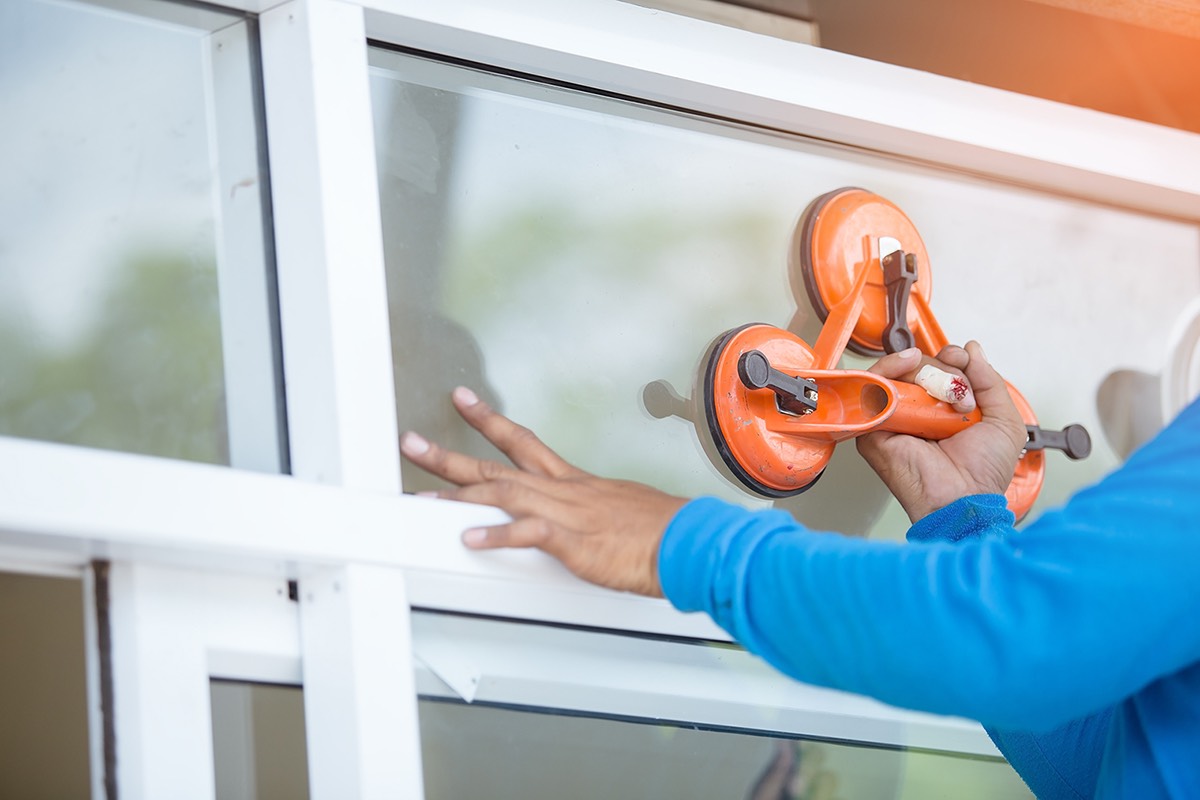
- Using specific tools, the specialist will carefully eliminate the damaged glass to prevent additional damage to the frame.
Prepare the Frame:
- The frame will be cleaned up and any old putty or caulk will be removed.
Install New Glass:
- A brand-new piece of glass will be cut to fit the window frame and set up using glazing substance or brand-new putty.
Seal and Finish:
- The specialist will use a new seal around the edges and end up the repair to ensure it is both functional and aesthetically pleasing.
Avoiding Future Cracks
Prevention is crucial to keeping the integrity of your windows. Here are some tips:
- Regular Maintenance: Check your windows annually for indications of wear or damage.
- Appropriate Installation: Ensure that new windows are set up properly to prevent uneven pressure.
- Usage Tempered Glass: Tempered glass is stronger and more resistant to fractures than regular glass.
- Protect from Elements: Use window coverings or awnings to protect windows from direct sunshine and harsh weather.
Frequently asked questions
Q: Can I repair a split window myself?A: Minor hairline cracks can often be fixed with epoxy resin and clear silicone sealant. Nevertheless, major fractures or those that jeopardize the window's structure must be resolved by an expert to guarantee safety and efficiency.
Q: How long does epoxy require to cure?A: The treating time for epoxy resin can vary depending on the product. Normally, it takes 24-48 hours to fully treat. Constantly follow energy-efficient window repair for the best results.
Q: What if the fracture is too big to repair with epoxy?A: If the fracture is too large or if it runs from one edge of the window to another, the window must be replaced. Trying to repair such a fracture with epoxy might not work and might pose security risks.
Q: How frequently should I examine my windows for cracks?A: It is suggested to check your windows at least once a year, especially before the start of extreme climate condition like winter or summer season. Routine evaluations can help catch problems early and prevent them from becoming more serious.
Q: Can I avoid fractures from forming in the first location?A: While it's difficult to avoid all fractures, routine maintenance, correct installation, and using more powerful products like tempered glass can considerably decrease the probability of fractures forming.
Window fractures can be an annoyance, however with the best understanding and tools, they can be efficiently handled. For minor cracks, a DIY technique using epoxy resin and clear silicone sealant can be both cost-efficient and uncomplicated. Nevertheless, for major cracks, it is always best to speak with a professional to guarantee a safe and proper repair. By understanding the reasons for cracks and taking preventive procedures, property owners can preserve the performance and appeal of their windows for years to come.
Additional Resources
- Local Hardware Stores: These shops typically bring the needed tools and products for window crack repairs.
- Professional Window Repair Services: For major repairs, consider hiring a professional from a credible window repair service.
- Online Tutorials: There are many online resources and video tutorials that can supply additional assistance on window repair methods.